

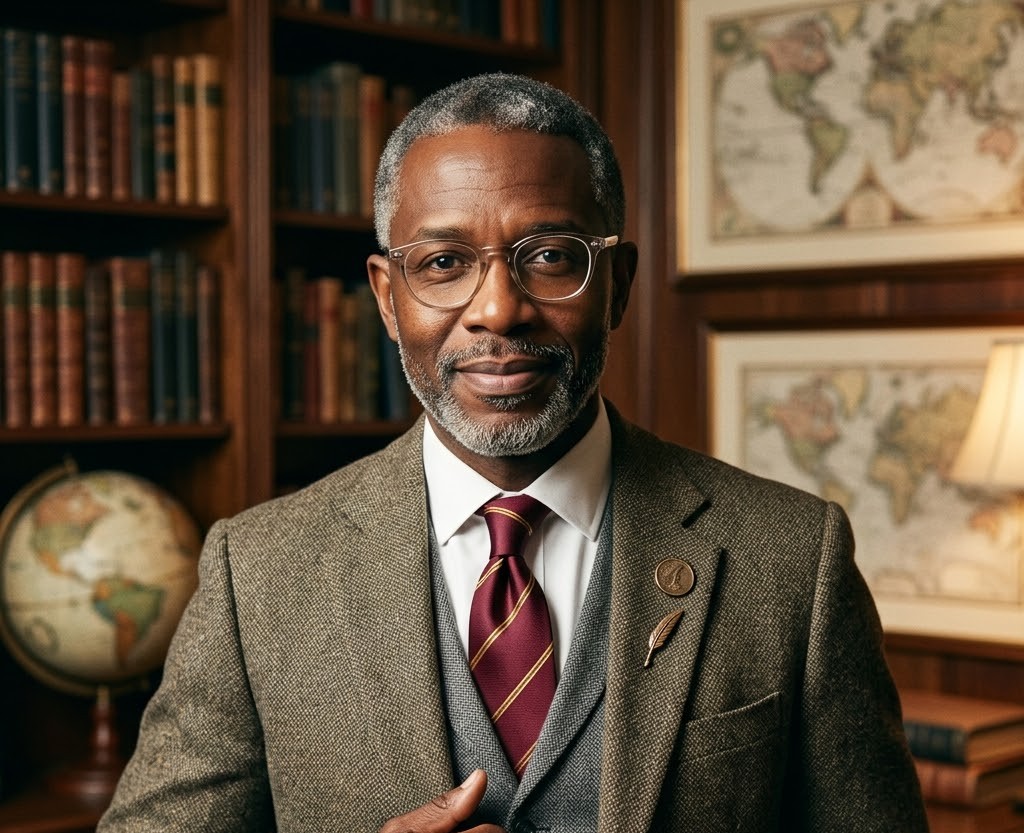
Let me begin my story by saying that those in my line of work neither seek nor prefer being in the spotlight for any reason.
People like me are happy to live in the past and preserve the books and icons of our history, items that were commonplace to those who came before us and were precursors to what we have today.
Every day that I maintain my impenetrable bubble without getting pulled into local goings-on is a day that I cherish.
This, it seems, is not one of those days.
I arrive at the museum per usual, at 7 o’clock, before the birds and the traffic and the end-of-year school buses. Since I live just west of Middle Valley, I have what’s called a reverse commute, so door-to-door, my travel time is under 10 minutes. On this day, I had spent that blissful time creating, in my mind’s eye, the look and feel of our summer offerings – an exhibit on the impact of railroads in Middle Valley, and one on the many uses of the Chickotee River throughout the centuries.
Just my cup of tea – old stuff mixed with new technologies that add up to an enjoyable road trip for curious visitors coming in from around the state, phones in hand, ready to listen and learn.
Of course, the biggest blessing is that the decrepit statue of Mick Righteous has been removed. I have to believe visitors to our banks will once again be well-heeled, well-meaning, curious passers-by interested in the Middle Valley backstory rather than the weed-wrecked, semi-drunk fans of a semi-martyred, semi-rock-and-roller.
As I ascend the steps, I see in my parking space a well-adorned white Bentley parked at the curb and a young man standing outside it, leaning on its back bumper. I pull in behind it, grab my briefcase and step out of the car.
“Good morning,” I say to the young man. “Thornton McHughe … I’m the historian here.”
I walk toward him and extend my hand.
“Bentley Rhodes, Bentley with a Bentley,” he says, pointing to the car. “If you ever need a ride, I got one.”
He hands me a business card that says same. We shake hands.
“What brings you here today, Bentley?” I ask, warily, though I am deathly curious.
“Well,” the young man says, opening up the back trunk. “This, actually.”
He points inside the trunk where a broken metal box with engraving on the top sits wrapped in a blanket, its contents spilling out on top.
“What is it?” I ask.
“Well, me and the boys were hired to clean up the park down by the river, where the Mick statue was, and my backhoe guy dug this up first thing. I asked Judge Paul what he thought I should do with it and he said to bring it to you.”
I lift part of the blanket from the box and can see a few of the items inside – aged newspapers and school books, some old toys that I recognize as fitting a set we have in the museum, a few undated maps and hand tools, as well.
“Wow. This is a big deal,” I tell him. “It appears to be some sort of time capsule. How far down was it?”
“About five or six feet,” the young man says, illustrating the depth with his hands. “Me and the boys were surprised no one found it when they built the statue there. Or – and it’s only Jake saying this, and he’s a conspiracy freak – maybe they found it but didn’t want it out in public. You never know who’s covering what up around here.”
The young man stops, then laughs. “Or maybe I watch too much Dateline,” he says, clearly cracking himself up.
I smile politely, yearning to finish the discussion. “Well, whatever the case, I’d love to bring it inside and take a closer look. Can you help me carry? I’ll just unlock the doors.”
He nods and I sprint up the front stairs, key in hand.
This day is already not my own. But perhaps, just this once, that’s okay.